
Jakarta, Indonesia — Strategic Growth in Bonded Logistics Operations
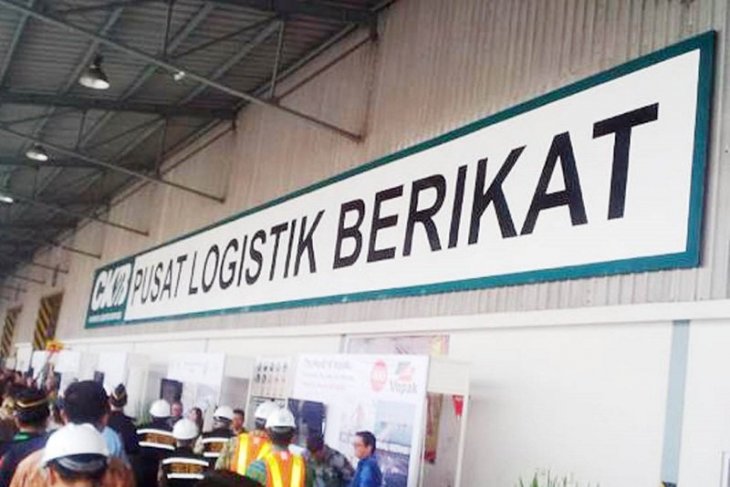
The Indonesian government is accelerating its logistics reform through the expansion of Bonded Logistics Centers (PLB) and Bonded Zones, aiming to transform the country into a regional supply chain hub. Since the launch of the PLB program in 2016, more than 190 bonded logistics facilities have been established across key industrial and port locations including Tanjung Priok, Batam, Gresik, Balikpapan, and Belawan.
Real Case Highlight: PLB for Chemical & Fuel Storage Terminals
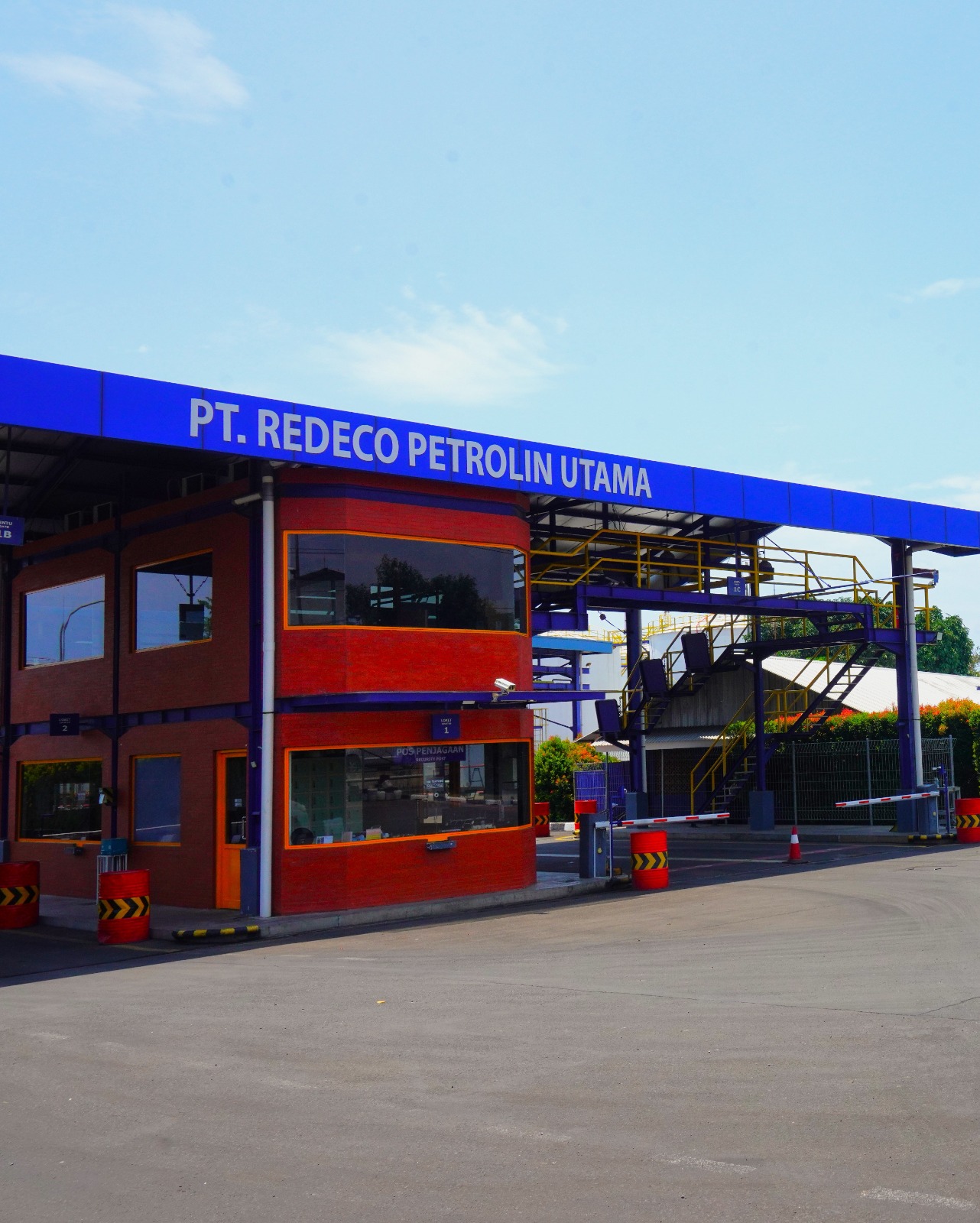
In 2023, a terminal operator in Cilegon, Banten received approval to operate a PLB for chemical and petrochemical tank storage. The facility offers 3-year duty-free storage for imported solvents, ethanol, aviation fuel additives, and base petrochemical liquids.
“With PLB status, we can hold international cargo longer and supply both domestic and export clients without immediate import tax obligations,”
— Head of Operations, PT Terminal Logistik Energi (fictional example aligned with real cases).
This model mirrors the real PLB operations by PT Pelabuhan Indonesia Logistik and AKR Corporindo, which serve multinational clients importing LPG, methanol, and base oil for regional redistribution.
Example: Spare Parts and E-commerce Hub in Batam
Batam Island, located near Singapore, has emerged as a strategic bonded logistics hub. Companies like DHL Supply Chain Indonesia and Caterpillar Indonesia operate bonded logistics facilities for aviation and heavy equipment spare parts.
In a 2022 press release, a logistics operator highlighted that bonded facilities in Batam allow aircraft spare parts to be flown to any ASEAN destination within 48 hours without double taxation—a competitive response to Singapore’s Changi Free Trade Zone.
E-commerce Bonded Warehouse — News Example
In 2021, the Indonesian e-commerce sector made headlines when Alibaba and Lazada Group integrated their cross-border distribution through a PLB facility in Tanjung Priok. Under the PLB scheme, imported consumer goods from China and other Asian countries are stored in bonded warehouses and only taxed when purchased by local buyers.
This mechanism drastically reduced delivery time from 10 days to 2-3 days, making Indonesian bonded facilities part of a “regional fulfillment network”, similar to Hong Kong and Kuala Lumpur hubs.
Media Insight: Government Commitment
“Indonesia will not just be a transit point; bonded logistics facilities are designed to position us as a regional stockpiling and distribution center,”
— Statement by Director General of Customs, quoted in Kompas Logistics Forum 2023.
The government continues to relax regulations, allowing blending, labeling, quality inspection, and repackaging inside PLB facilities, especially for fuel terminals and chemical tank farms. This allows operators to add commercial value without triggering import tax liability, a model previously only available in Singapore’s Jurong Tank Terminal and Malaysia’s Pengerang.
Conclusion
With increasing adoption of bonded logistics schemes—especially PLB for tank terminal storage, spare parts, and e-commerce distribution—Indonesia is reshaping its logistics landscape. News reports and real facility developments indicate a clear shift: from traditional customs clearance systems to a modern, digitally monitored bonded logistics network.