
Introduction
Petrosea Offshore Supply Base (POSB) Sorong stands at the forefront of logistics innovation in Eastern Indonesia. Since its inception in 2005, POSB has been a key enabler of offshore supply base management services, supporting the oil and gas industry with integrated solutions such as quayside operations, cargo handling, ship agency services, and advanced tracking technologies.
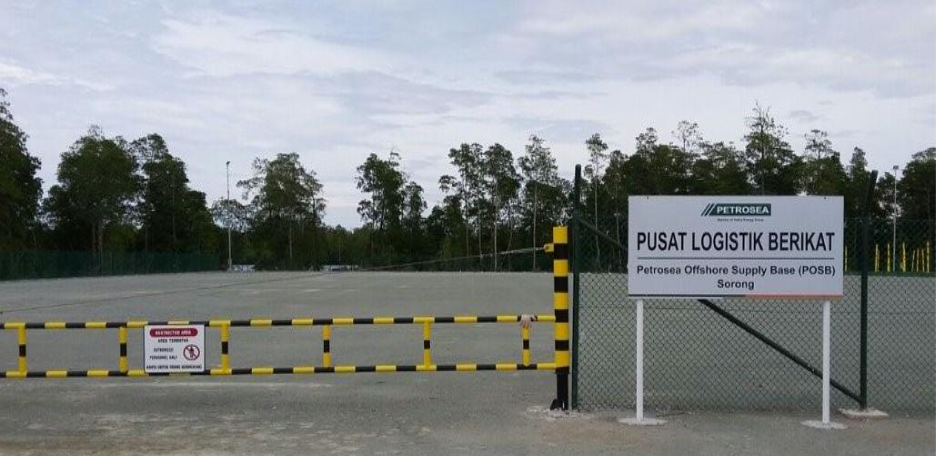
Petrosea had built on the success of its 65-hectare facility in Balikpapan (2005 - 2018), Petrosea expanded its operations to Sorong, West Papua, with the development of an 11-hectare shore base (2017 - now). At the heart of this facility is the Bonded Logistics Center (PLB)—a strategic initiative designed to enhance logistics efficiency, reduce costs, and support the region’s growing industrial activities.
Strategic Purpose of PLB Sorong
The PLB at POSB Sorong is more than a storage facility—it is a customs-bonded logistics hub that allows imported goods to be stored for up to three years without immediate payment of import duties and taxes. This flexibility enables companies to manage materials more efficiently, optimize cash flow, and streamline supply chain operations.
The PLB was established with four key objectives:
- Create a logistics hub for upstream energy operations in Eastern Indonesia
- Reduce logistics costs through tax deferral and improved coordination
- Accelerate customs clearance with on-site support from Customs authorities
- Strengthen regional supply chain resilience and distribution capabilities
Tailored Services and Facilities
To meet the diverse needs of the oil and gas, construction, and maritime sectors, the PLB at POSB Sorong offers a comprehensive suite of services:
Core Services
- Duty-Free Storage: Equipment, spare parts, chemicals, and other imported materials can be stored without upfront tax payments.
- Cargo Consolidation/Deconsolidation: Efficient handling of shipments from multiple vendors or projects.
- Re-export & Transshipment: Goods can be re-exported or transshipped without full import procedures.
- Value-Added Services (VAS): Includes inspection, repackaging, labeling, and quality control.
- Digital Inventory System: Integrated with Indonesia’s Customs platforms (CEISA/INSW) for real-time tracking and reporting.
Facilities
- 11-Hectare Heavy-Duty Open Yard: Accommodates oversized cargo and industrial equipment.
- Covered Warehouses: For weather-sensitive materials such as electrical components and chemicals.
- Container Yard & Handling Equipment: Cranes, forklifts, and reach stackers for efficient operations.
- 24/7 Security & Access Control: CCTV, on-site personnel, and restricted access systems.
- On-Site Customs Office: Enables faster documentation and clearance.
Industry Focus and Strategic Development
POSB Sorong primarily serves the upstream oil and gas sector, with BP as one of its key clients. The PLB provides critical logistics support for remote operations, offering flexibility, cost savings, and operational readiness.
Looking ahead, Petrosea aims to expand PLB services to other industries, including construction and manufacturing, while continuing to enhance infrastructure, integrate digital logistics technologies, and foster strategic partnerships to drive supply chain excellence.
Challenges Before PLB Implementation
Before the introduction of PLBs, the oil and gas industry in Indonesia faced significant logistical, financial, and administrative challenges:
Logistics
- Long lead times due to direct delivery from ports to sites
- Heavy reliance on offshore hubs like Singapore, increasing costs
- No mechanism for transferring surplus materials between contractors
- Rig stacking, blending, and maintenance were not permitted in bonded zones
Financial
- Upfront payment of import duties and taxes, even for temporary imports
- High port storage and handling costs due to slow clearance
- Expensive rig mobilization and demobilization between projects
Administrative
- Manual, paper-based import processes
- No priority mechanism for urgent goods
- Complex documentation requirements
Inventory
- No legal framework for long-term storage in Indonesia
- Temporary imports couldn’t be held for extended periods
- Lack of consignment stock systems (e.g., for OCTG)
PLB Solutions and Key Improvements
The implementation of PLB Sorong has addressed these challenges and delivered measurable improvements across logistics, finance, administration, and inventory management.
1. Logistics Optimization
- Domestic storage eliminates reliance on offshore hubs
- Surplus goods can be reused or transferred between PSCs
- Rig-related activities are now permitted within PLB zones
- Goods stored closer to operations improve response times and readiness
2. Financial Efficiency
- Deferred import duties and taxes until goods are issued for use
- Lower storage and handling costs
- Reduced rig mobilization expenses due to proximity and simplified customs processes
3. Streamlined Administration
- Digital, paperless import clearance processes
- Priority services for urgent and critical shipments
- Centralized oversight ensures transparency and compliance
4. Inventory Flexibility
- Temporary storage allowed while awaiting master list approvals
- Goods can be stored for up to three years (extendable)
- Supports consignment stock models, improving inventory control
Value and Impact of PLB Sorong
Cost and Time Efficiency
The PLB enables companies to defer tax payments, freeing up capital for other business activities. Logistics costs can be reduced by up to 75%, and loading/unloading times cut by as much as 80%. Industries such as oil, gas, and mining in West Papua have saved hundreds of billions of rupiah annually through PLB Sorong.
Improved Service Quality and Delivery Speed
With integrated logistics systems, imported goods can be processed, packaged, and delivered directly to project sites without delays. This improves service quality, ensures timely availability of materials, and minimizes project disruptions. PLB Sorong elevates POSB’s role as a key distribution hub, matching the standards of major industrial zones in Java.
New Business and Economic Growth Opportunities
PLB Sorong has opened new avenues for logistics companies and supporting industries such as transportation, packaging, equipment repair, and warehousing. It attracts investment and supports the development of a new industrial ecosystem around Sorong, contributing to job creation, local economic revitalization, and cross-sector collaboration.
Strategic Role in Eastern Indonesia’s Energy Corridor
As one of the largest bonded logistics facilities in Eastern Indonesia, PLB Sorong plays a pivotal role in supporting upstream energy operations. It serves not only Petrosea’s internal projects but also international oil and gas contractors operating in the region.
This initiative aligns with Indonesia’s national vision to become a regional logistics and maritime hub, emphasizing digital integration, operational transparency, and sustainable logistics efficiency. By reducing dependency on Java-based ports and enhancing regional distribution capabilities, PLB Sorong strengthens Indonesia’s energy infrastructure and competitiveness.
Conclusion
The Bonded Logistics Center at POSB Sorong represents a transformative step toward logistics excellence in Eastern Indonesia. With its strategic location, advanced facilities, and integrated digital systems, PLB Sorong offers a comprehensive solution for managing imported goods, streamlining distribution, and supporting the growth of the energy and industrial sectors.
As Petrosea continues to innovate and expand its logistics capabilities, PLB Sorong stands as a model of efficiency, resilience, and strategic value—driving sustainable development and economic progress across the region.